Posts In: Flaparaps

I say Flaparap, you say Flapawrap. Flapperwrap. Flapparap.

I know, I know, the word ‘wrap’ begins with a ‘w’.

Flaparaps are drop-flap nappy wraps, so why aren’t they Flapawraps? Or Flapperwraps? Or Flappawraps? Flapper Wraps?

No good reason 😉 I just think the word looks nicer without that ‘w’ in the middle of it.

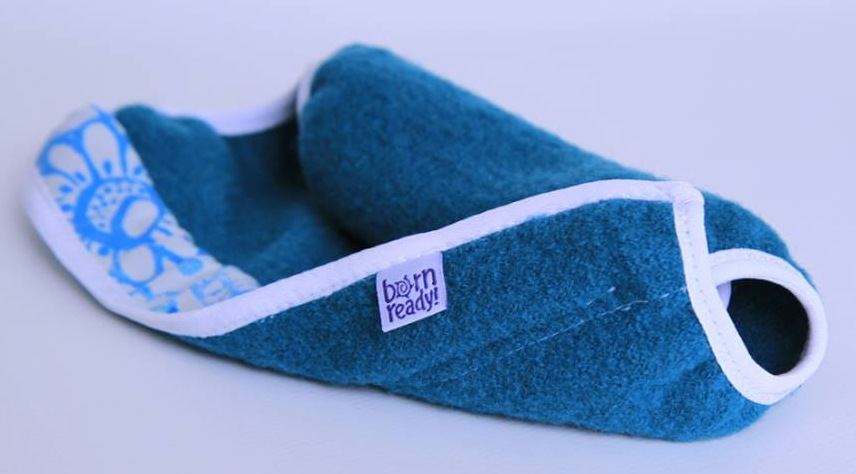
Born Ready Flaparaps. ‘W’-free nappies for nappy-free babies.

In case you haven’t guessed, this blog post is to help google to help you to find Flaparaps – no matter how you spell your search query.

Here are the five places you’ll want to go from here:

  1. A full introduction to why Flaparaps are so great if you potty your baby.

  2. More about the fabrics and features, videos of the pads sluuuurping up liquid, and advice on how many to order for your needs.

  3. How to use and care for Flaparaps and pads (with more videos of them in action).

  4. Where and how to BUY Flaparaps.

  5. Flaparap reviews like these: We LOVE our Flaparaps!, Best ‘nappies’ I ever tried!, These save my sanity!, Flaparaps are the future!, Flaparaps are truly a marvellous invention!

Happy Pottying!

Born Ready Jenn

Why Night Nappies and Night Pottying / ec Are A Great Combination

Having slept with four ec’d babies, I’ve done my share of being wee’d on, and it taught me some basic truths about wet beds and night time potty training.

This is the biggie:

Night time nappy free is not like daytime nappy free.

During the day, wet pants mean something. They’re cold and uncomfortable. And if you have a child commando in fleece trousers they must feel horrible when they’re wet! With no pants at all, your toddler can look down and see the wee forming a puddle around their feet. Cause and effect. Perfect conditions for learning.

But in bed, being wet is something else entirely.

It’s warm, it’s comfortable, and there’s nothing to see.

From personal experience, I can tell you that in body temperature bedding, body temperature wee feels neither hot nor cold. It’s invisible to your body’s sense of touch. Infeelable. And by the time it’s soaked into clothes or bedding so there’s no splashable puddle, it’s actually quite difficult to identify that everything is wet.

If you’ve ever woken with a soaked shirt for other reasons, this will make intuitive sense.

For example, When I was breast feeding for England, I could wake up absolutely drenched in milk (waterproof mattress protectors are great for that, btw). Yet it was never the wetness of my shirt that woke me up – that was always something I discovered once I was awake.

I’ve slept in heat waves and under ridiculously heavy duvets and woken soaked in sweat. The wetness of my shirt didn’t wake me then, either.

And… I’ve been comfortably lying with a sleeping baby on my chest, under a blanket, and not been able to tell whether I’d been wee’d on or not. I was awake and I was suspicious – but I had to really put some effort into finding out.

A baby (or toddler, or child) who is going to ‘learn’ to be dry at night needs to respond to THE ACT of needing a wee or doing a wee. They can’t rely on the aftermath or their environment to program their brain.

So if your child is going to wee without noticing you might as well use nappies and save yourself oodles of stress and washing.

And yet! There are times when it makes perfect sense to take away nappies at night.

Like baby pottying / ec? Like Born Ready on Facebook:

When To Go Nappy Free At Night:

1) When you’re potty training. Properly potty training. Going for the finish line and teaching your child to notice every single time their bladder sends a message. Here, being nappy free at night is ideal because it consolidates what’s going on in the daytime. You want the night brain to respond in the same way as the day brain, rather than learning to ignore that message at night.

Bladder: Come in Brain, Come in Brain, We have a situation.
Brain: Hold on Bladder, let me check whether it’s safe… Yes, we have a nappy. I repeat, we have a nappy. Let loose.

If that happens a few times, the brain will switch from high alert to its familiar autopilot:

Bladder: Come in Brain, Come in Brain, We…
Brain: Never bother me again after 6pm. Empty at will.

For most children, when this happens they’re reverting to a lifelong ingrained subconscious habit, which it’s then very difficult to jolt them out of.

Had your chance… missed it.

[Old habits die hard, and some children trigger the old autopilot at night in certain circumstances.
– Some might wet wearing knickers, but be dry with a bare bum.
– Some will wet with a bare bum but be dry wearing knickers.
– Some will be dry for weeks, wear a disposable for 3 nights at Granny’s house and then wet the bed for three weeks straight.
With practice the brain will replace the old autopilot response with a new one: WAKE UP! And at that point it won’t matter what they wear to bed.]

2) When your child is dry virtually every night – with a bit of help from you – and it would be more comfortable and convenient if you didn’t bother with a nappy.

This is every ec-er’s dream scenario. Congratulations if it describes you 🙂

Here’s when it’s fine to use a nappy at night…

When To Use A Nappy At Night:

1) At all other times.

My experience of pottying through the night, from newborn babies to fully potty trained toddlers, is that, just like daytime pottying, it’s attitude that shapes your child’s reactions.

If you respond to a child’s signals at night, you teach them that those signals are worth listening to.

And that has nothing to do with what they’re wearing.

Bedwetting Alarms and Pre-emptive Parents

Do you know about bed wetting alarms? They’re one of the solutions offered to older children (age 5+) who are chronic bedwetters. They’re wired into the child’s pants and the instant they get wet a loud alarm goes off – waking the child up. The child’s brain learns to anticipate the alarm – just like Pavlov’s dogs – and soon the alarm is redundant.

(This won’t work for all causes of bedwetting. If there’s no bladder-to-brain signal to detect: i.e, the bladder is spasming involuntarily, or being squashed by chronic constipation – the alarm isn’t going to help. However, if the signal is there, but is being ignored – they can work like a charm. An alarm charm…)

When a parent reacts to their child’s night time signals, they’re acting much like the alarm. Only better. Because the alarm goes off as the child starts to wee, whereas a parent can wake the child when they notice the signal before the wee starts. This is usually a shifting of position.

This teaches the child that the bladder’s signal matters and it’s one of the reasons I’m a huge fan of the pre-emptive wee.

A well timed pre-empt teaches a child to respond to their bladder.

I know, I know – your health visitor told you not to lift your child because it will prevent them from becoming dry-through-the-night of their own accord. Let’s think about that for a minute…

Unsurprisingly, wetting a nappy at night is not a pre-requisite for night time dryness. However, what they’re saying does stem from research into how the bladder works.

You’ve probably read about the hormone ADH (Anti-diuretic hormone / Vasopressin) that regulates how your body deals with water in the blood. More ADH = more reabsorption of water in the kidneys = more concentrated urine = less liquid in the bladder.

As the bladder fills at night, it triggers a surge of this hormone to slow down urine production. “Can we get through the night without overflowing? Let’s give it a go…”

Lifting isn’t ‘recommended’ because if you help a child to empty their bladder before the hormone is triggered, the body doesn’t ‘learn’ to slow urine production at night, and the child isn’t able to go a full 12 hours without needing to wee.

BUT, the hormone has to be triggered well before the bladder is full to capacity because urine production doesn’t stop altogether, it only slows down. Once the bladder is full to the brim, it’s going to empty involuntarily regardless of hormone concentrations – and by then the time for homeostatic ‘learning’ has passed. Whether that bladder empties into a potty or a nappy makes no odds to regulation.

That’s when a well timed pre-emptive offer can actually help your child to gain bladder control at night.

If you see your toddler signal in their sleep, and you know they’re going to wee in the next few minutes (because they always do) you can teach them to respond to that signal by helping them use the potty.

Days, months, or years down the line, hormone regulation should take over (or their routines will change) and they won’t be holding 210ml of wee at 9:30pm. Then, maybe they’ll make it through the night without needing to wee. But until then, it’s really really useful to have taught them to respond to a full bladder by waking up rather than rolling over.

Why Pre-empts Worked Out So-Very-Well For Me

My kids woke in the late evening to wee for years. From about 15 months, when they’d call for me, to age 3 when I’d nip upstairs to be on standby when I heard them trot across the landing, to age 6 when they could come down from the top bunk, go to the toilet and get back up again without having any memory of it at all.

If we had been waiting for them to be ‘dry through the night’ thanks to the hormone alone – I would have a 7 year old in nappies! Yep, she would have been wearing nappies more than 5 years longer than she did.

For all my four children, that evening pre-empt was always the biggest wee of the day. By a long way. It could be three times the volume of normal daytime wee. With that much urine in the bladder at 10pm there was no way they were going to make it until morning. Especially when they were breast feeding multiple times a night.

So What Do Nappies Have To Do With It?

Well, not much actually…

If you teach your baby to respond to a full bladder using an evening pre-empt, it will make no difference whether they’re in a nappy or not.

That’s because they’re not checking what they’re wearing when they process a signal from the bladder.

They’re practicing waking up instead.

Bladder: Come in Brain, Come in Brain, We have a situation.
Brain: Sound the mummy alarm!
Voice: MUMMY! MUMMY!

See?

In Summary: It’s Fine To Use Both Nappies And A Potty At Night

I’ve washed a lot of sheets.

I’ve washed puddle pads and muslins. I’ve washed pillowcases stuffed with terry nappies and wool blankets. I’ve washed duvet covers and waterproof sheets.

And do you know what’s much easier to wash than any of those things?

A nappy.

I could be just as vigilant and have far less clearing up by using Flaparaps all night than going full on nappy free, so frankly I wouldn’t recommend anything else 😉

Having said that…

If you have a baby who doesn’t move all night and manages not to wet the blanket when they wee, than nakedness and a waterproof sheet (cotton covered pul or lanolised wool) might work wonderfully!

But if you’re sick of having duvets hanging over your doors, either invest in Flaparaps or use whatever nappy you have to hand.

No-one needs to add ‘deal with wet bed’ to their baby’s morning routine.

Good Luck!

signature_blue_150

(See The Born Ready Quick-Start Guide to Night time Pottying to get started / decide whether night time ec is right for you.)

Like baby pottying / ec? Like Born Ready on Facebook:

10 Reasons Wool Wraps Are Way Better Than You Think.

I’d been using cloth nappies for three and a half children before I tried my first wool wrap. It was a Flaparap (of course).

I’d been listening to whisperings about the wonder of wool wraps/soakers for a long long time and decided I’d better give them a go before I ran out of babies!

So I did my research, chose a fabric and made myself some boiled wool Flaparaps. To my surprise, they quickly became the favourites in my stash.

Shortly afterwards, we camped in France for four weeks and my 14 month old spent every night in her wool Flaparaps. They were brilliant! More brilliant than I was expecting, actually…

So here are the 10 things that surprised me about switching to wool.

(Some of these apply to wool nappy covers in general, and others are specific to Flaparaps – which are made from boiled wool fabric rather than being knitted to shape.)

Like baby pottying / ec? Like Born Ready on Facebook:

1) Soakers aren’t meant to do any soaking.

At least, not any more…

It’s impossible to research wool nappy covers without seeing them called ‘wool soakers’. You see, long before disposables or plastic wraps, there were wool soakers. They looked like big fat pants knitted with large needles and chunky stitches.

In the days of yore, I expect they did soak up a wee before it hit the floor (mother’s tried to get their children out of terry squares and into wool pants as quickly as possible – well before they were a year old). But these days, people use wool soakers as a waterproof cover to be worn over the top of a cloth nappy – so they don’t do any ‘soaking’ at all.

Wool is absorbent – very absorbent – but when it’s treated with lanolin (the stuff that makes sheep waterproof) water beads against the fibres and doesn’t soak in. It’s remarkably effective!

2) Lanolising properly is ridiculously easy.

I chose the simplest method I could find: I used Little Pants soluble lanolin sachets.

Add one sachet to a jug of water. Add Flaparap. Go to bed. Sleep. Eat breakfast. Remove Flaparap. Squeeze. Lie on towel (you, your Flaparap, your baby – everyone can enjoy this step 😉 ).

Congratulate yourself on a job well done. When it’s time to re-lanolise, focus on the sleep, the breakfast and that rest on the towel and you’ll be looking forward to it long before your wrap stops being waterproof.

3) Wool wraps don’t smell.

Wool simply doesn’t pick up that smell of stale wee that seems to haunt synthetics and pads. Flaparaps are designed to hold one wee, but I used them at night with a heavy wetter so they took their fair share of soakings. And yet – no smell. You need to sniff it to believe it, really. It’s incredible.

4) Boiled wool isn’t itchy.

One of the main reasons I resisted wool for so long is because I find it itchy.

Really itchy.

I hated my home knitted jumpers as a child.

I hated the 100% lambswool menswear-but-looks-like-school-uniform-how-cool-are-we Marks and Spencer’s jumper I owned (but didn’t wear) as a teenager.

I hated those wool blankets we had under our bedsheets as children ‘to protect the mattresses’ and I hated them all over again when I cut them up and stuffed them into pillow cases to make waterproof bed-pads for my own nappy free babies.

So I was gobsmacked to discover that boiled wool is soft, inert and inoffensive. I carried a toddling woolly bottom in the crook of my elbow for an entire French summer without being irritated once. At least, not by the woolly wrap… 😉

5) Boiled wool doesn’t unravel.

Knitted stuff unravels. You have to be careful with it and not catch a thread or you end up with a big hole. My mother drilled this into me, and my own kids have proved her right.

But boiled wool fabric is a bit like fleece… you can do what you like and it comes through in tact. It doesn’t even fray when cut.

As I didn’t have enough eyes to watch all of my children simultaneously, I could never be sure the little one wasn’t scraping her bottom along a tree / path / wall / pile of lego – and even if I had known I wouldn’t have done anything about it – so this put a big tick in the practicality box.

6) Washing boiled wool is easy.

(Even though it has to be hand washed…)

Mainly because of points 3,4 and 5, washing my wool Flaparaps wasn’t nearly as irksome as I feared.

The wool was pleasant to touch, so I didn’t put off sticking my hands in the bowl in the first place. It was robust so I could slosh it about and not worry that I was going to end up with a tangled mess of yarn rather than the wrap I started with. And it didn’t smell, so I didn’t need to wash it very often at all. Think weeks rather than days.

(By the time I discovered wool, my daughter was around 13 months old, so we didn’t have many wets a day and I changed those very quickly – but I was still impressed.)

7) Boiled wool doesn’t stretch out of shape.

At least, not as easily as a knitted garment.

Handy, because I’ve been known to pick a toddler up by their pants if they’re escaping at pace and I grab them at the last second 😉

8) So breathable you can breathe through them.

I test all waterproof ‘breathable’ fabric by trying to breathe through it – by which I mean: force air through it from my lips in the same way as I might tackle a trombone or an alpine horn.

But wool has such a web of holes you can see through it, never mind breathe through it.

When I designed Flaparaps, I tried to minimise the number of needle punctures to the PUL (waterproof) layer – if you’ve got a hole, you can get a leak. And if you’ve got a leak, you’ve got a problem. With wool the needle doesn’t even make a hole – it simply finds one that was already there.

If you’re used to disposables or PUL wraps, wool is quite literally a breath of fresh air.

9) Lanolised wool is waterproof.

Not that fickle ‘protects the outside world from a dampish nappy’ kind of ‘waterproof’ that caught me out with fleece (despite what the internet had promised me), but actually waterproof.

If you let your baby flood her Flaparap with a massive night wee <ahem>, you know that wetness has got to go somewhere – and in that case the wool will absorb a bit and your mattress will mop up the rest. But in normal use, with an averagely wet pad on an active baby, it’s dry outside.

10) Still super trim!

Well, wool Flaparaps are – I can’t vouch for soakers or longies or boardies or any other funky variety of chunky woolly nappy cover. But wool Flaparaps will roll into a tidy little cylinder to tuck into your bum bag, just like the any other Flaparap.

In short, wool Flaparaps are ace. Give ’em a go! Before you run out of children too 😉

Happy Flaparapping!

– Born Ready Jenn.

Like baby pottying / ec? Like Born Ready on Facebook:

The Quick Start Guide To Night Time blpt / ec / baby pottying

Here you can find out how to do ec / blpt / baby-led pottying at night. I’m a big fan! I learned on the job with my four babies and I’ve hit every scenario out there. From cots and baby sleeping bags to co-sleeping with a naked baby in my armpit. What I discovered was it got a whole lot easier with the right approach and the right equipment.

Keeping up with Baby-led pottying / ec / blpt at night is entirely possible, totally worth it and not as hard as you might think. Read on for some ideas to get you started.

But first…

Why would you want to offer the potty at night? Isn’t life hard enough?

This depends entirely on your perspective, but the immediate benefits are more tangible than you might think.

Many people have a bash at night time pottying because they think it’s a logical next step once they’ve cracked day times. Others find ec has changed their view on nappies entirely and now they don’t like the idea of their child wearing their own wee at any time of day.

A principled approach is a fine way to start.

Still more people start night time ec because they realise their child is already responding to a full bladder in their sleep.

If they wake at a regular time – is that really for a feed, or is it for a wee?
If they sleep like a log for 3 hours, then completely shift position, is that so they wee?

If they get all restless and toss and turn and don’t sleep soundly at all after 4am… sometimes you can ‘fix’ that completely with an earlier pre-emptive wee.

If they wake at 5:30am and are up for the day? A night time potty offer can buy you another hour and a half of sound sleep in the morning!

Like baby pottying / ec? Like Born Ready on Facebook:

What does a night time potty offer look like?

Well, it looks something like this. These are pre-emptive evening catches, but the ‘keep it swift, keep it quiet, keep it dark’ principles apply just the same.

Look out for an early version of Flaparaps in action, too!


Before you get started with night time ec!

Once you’ve decided that using a potty during the day is fabulous and sensible and natural and ‘most of the world’s babies don’t ever wear nappies’, you’ll find yourself thinking about night time pottying. Those naturally nappy free cultures seem to manage it, so it must be possible… but is it practical for you personally to offer a potty at night? Is it worth it? Does anyone get any sleep?

Well, I think it’s worth it and I encourage you to give it a bash while you’re feeling keen!

But bear in mind that:

  • If you are even remotely worried about dealing with a wet bed, it will keep you up.
  • Though you’ll read that bare-bum is definitely best, it generates far more washing than using some sort of waterproof backup. <cough>flaparaps</cough> ;).
  • Enough sleep makes your world a far better place. You have more energy, more ideas and far far more patience. Using decent absorbent nappies at night to give everyone more sleep can be the very best decision – don’t think of it as a cop out!
  • It’s perfectly possible to do part-time pottying at night, and it’s far easier than attempting to catch everything if you have a frequent wetter.

By the way, I’ve been wee’d on a number of times at night and I didn’t even notice until I woke up. A bit of body temperature liquid in a warm bed is barely detectable.

So being wet at night… it’s not that bad. If you’re getting yourself into a sleep deprived mess to save your baby from a wet nappy, allow yourself to take it down a notch. And if you’d love to go for all out naked nights but your baby sleeps on your chest, know that a miss isn’t a big deal.

Night Feeding, Night Pottying: The Vicious Circle

There’s another way you’ll arrive at night time pottying as a strategy, and that’s when you hit upon The Vicious Circle theory.

You’ll think to yourself: What if my baby is waking because they have a full bladder, and then I feed them back to sleep, or feed them so that they can relax and wee, and that gives them a full bladder, and they wake up again…

How do I break the cycle??

One way is to offer the potty at night. If you time it well, you can often skip the feed because the potty offer prevents the natural waking and breaks the cycle.

(If that doesn’t work, try an evening pre-emptive and see how you get on. It’s fairly easy to take an active approach in the evening, while you’re still up! If You’re awake anyway, you might as well give it a go.)

Raring To Go? Here’s The Quick Start Guide To Pottying / ec At Night

Night time pottying isn’t as hard as you might think. Watch (or listen on your monitor) for huffling or wriggling as your child sleeps, then swoop in with the swiftest, quietest, warmest, darkest potty offer of your pottying career and see how you do. You have 60 seconds from ‘first touch’ to ‘back in bed’ for the best chance of immediate sleep afterwards. Give it a go!

If you co-sleep, night feed, or feed to sleep, what are you waiting for? Definitely give it a go now while you have a failsafe way of putting your baby back to sleep again.

The Longer Version: With the Hows and Whys and Wherefores

Setting Up to ec / potty at night

Let’s tackle this bit by bit. There are a quite a few considerations – pick and choose any that fit your sleeping arrangements.

  1. The Room: You’ll need minimal light, easy access to your sleeping child, and a way to do the lift-offer-back-to-bed with minimal disturbance.
  2. The Bed: If there is any chance of a wet bed, make sure it’s waterproofed. I use Hippychick mattress protectors on all my beds. A fitted protector under the fitted sheet, then a flat protector over the top for easy changes. Buy them now – you’ll be using them for years. (They also protect against milk leaks and water’s breaking during your next pregnancy, and the nocturnal vomiting of the preschool and infant school years… Absurdly handy.)
  3. The Child: Give yourself easy access to an offer. You need to be able to reach them, access their bottom, offer a potty, and get them back in bed while they’re still super drowsy. 60 seconds, remember! Poppers are not the best strategy.
  4. The Offerer: You’ll need warm hands, quick and quiet reactions, and patience… You’re learning on the job, so give yourself a few chances to master the technique. But don’t beat yourself up if it never works for you – move on.
  5. The Clean Up: Don’t bother. No wipes, no water, just a dab of dry loo roll if you need it. A fresh dry nappy trumps a wet one any day – and you don’t bother wiping after every wee when they’re lying in it for a full 8 hours.
  6. The Changing Table: is now the bed 😉

How Often do you offer the potty at night?

It’s entirely up to you. If you want to catch everything, here’s a general guide:

  • Newborn – 5 or 6 months: probably before or after every night feed, when they wiggle in their sleep between feeds, and you still might miss some no-warning wees. So… every hour and half, maybe? Every 3 hours? Co-sleeping makes this easier, but unless it literally takes a minute out of your night for each offer you might end up with no functioning brain in the morning. Make sensible choices.
  • Older baby: by 6 months some babies are feeding through the night with a bare bum and not needing to wee at all. Not my children! They still wee’d loads at this stage. We caught most of it with the evening pre-empt and feeding rhythms, and replaced the Flaparap pad when we missed.
  • Toddler: by 14 months or so mine were usually dry in the morning after one evening pre-empt. Then it’s easy ever after! Evening offer, dry morning, done. You might be helping out with the evening wee for the next 2 years, but it takes less than a minute, it’s less wasteful than years of night time nappies and if you time it to coincide with when your child is stirring to wee anyway, it helps train them to recognise a full bladder. My toddlers reliably woke in the evening, and called for me so I could help them, long before they were two years old.

So you can see that night frequencies taper pretty sharply once you hit toddlerhood. The 5-14 month period is the tricky bit if you’re feeding during the night.

How do you actually make the offer?

Stealthily!

Undress your tot in their bed while they’re still asleep. Be quick and quiet and keep them warm. Then offer with as little fuss as possible (potty by the bed, dark corridors if you’re heading to the dark toilet), and get them parceled up and tucked back in before they fully rouse themselves.

Do whatever will feel most familiar to your child. You want their conditioning to kick in so they wee on autopilot.

And cue! Build up association with your cue sound during the day, because at night it works like magic!

Dark dark dark, but light enough to get the job done

The first problem of deep dark night time pottying is having enough light to see by, but not enough for any part of the room to be lit up. If you’re using a potty in the bed (recommended for co-sleeping newborns and tiddlers) you need to be able to see something in the depths of winter or you’re going to end up doing a lot of washing.

The cheap option is a torch under a dark coloured handkerchief. The expensive (and frankly fantastic) option is to get an decent sized glow in the dark wall clock.

Mine has a faint green glow that provides enough light to see the potty in an otherwise pitch black room (and it’s radio controlled so the time is always accurate to boot). It was an inspired purchase and I’ve appreciated it every night for the last 6 years. I even bought a second one to travel with despite it being entirely unsuitable for such a purpose.

Simply put: I love this clock.

(Technically, it’s an Acctim Stratus Radio Controlled LCD Wall Clock but when you put that in a sentence it really ruins the flow…)

Pottying Paraphernalia

To keep track of everything in the dark while I’m half asleep, I use a Bedtime Box. It contains everything I need for nights and I couldn’t cope without it.

It usually contains some combination of: top hat potty, nappies/flaparaps, mop up muslins/flaparap pads, waterproof sheets of varying sizes (changing mat size to go under a potty on the bed, single size to go under our sleeping selves) and a bottle of drinking water to help me get through the night feeds.

When we go away, I just put the whole thing in the car – but add a potty washing squirter bottle, a torch and my spare fancy clock for good measure.

Night Nappies, Bare Bum, Or Something In Between?

To start with, use whichever nappies you use already. You might decide nighttime shenanigans aren’t for you, in which case you’ve lost nothing.

BUT if you want to treat nights like days, you can’t do better than invest in some Flaparaps.

I know, I know, I’m bound to say that – but I invented them for a reason, and night pottying was high on the list. Silent to take on and off, easy to change a wet pad without waking the baby, drop-flap for easy offers when everyone is half asleep… I solved every problem I could think of to make nights as easy as days. Take advantage! They’re well worth it. (The 100% wool version is particularly sumptuous. If you’ve never used wool at night you’re in for a treat! It’s incredible! So breathable you wonder how it can possibly be waterproof, but it is. Wish I’d experienced the magic of wool wraps 7 years earlier.)

Start From Where You Are Now

It’s appealing to construct ‘ideal world’ scenarios in your head, but the easiest way to start pottying at night is to work out how can you tweak your current set-up to give yourself a decent chance at success. Here are some ideas:

Ditch the all in one poppered sleepsuit for a start. Use a shirt and socks (and sock-ons if need be). Or a vest and baby leg warmers.

A poppered vest will be fine – you’ll manage a couple of poppers no trouble at all.

As for blankets and sleeping bags, use whatever you use now and find a way to get easy access while keeping your child warm and sleepy. Be creative – I’ve tried all sorts!

My eldest used a sleeping bag. I could open the bag and open her disposable without waking her up. Then I’d take her to the toilet in the dark and have her back in her nappy and zipped into her sleeping bag before she knew what was going on.

Number Two wore a disposable at night but co-slept under a blanket or duvet. I assumed I’d be facing the same ‘floods all night nappies’ onslaught I’d experienced with her sister so I stuck with disposables at night – but ec / pottying changes everything.

A catch before bed and another in the evening and any style of nappy would have made it through till morning. Oh well. Live and learn and apply the lessons to…

Numbers Three and Four, who wore Flaparaps both day and night. Hurrah! We saved a bit of planet! And then we bottled our experience to make your life easier too: treat yourself.

Practicing

If you’re contemplating night-time pottying with a young baby (newborn to 3 months-ish), practice sleepy offers during daytime naps.

My lot signalled very clearly in their sleep. They liked to lie on their fronts and would pull in their knees and stick their bums up in the air when they needed to wee – so it was really easy to offer while they slept.

They were so tiny I could pick them up in that frog position, rotate them so that they were upright, hold them over the potty, cue and then put them down again, all without having to move their limbs at all. Incredibly cute!

When they got older, they would ‘huffle puffle’ when it was time to do a wee. We’d see them, or hear them on the monitor if it was evening time, nip over and pop them on the potty. Job done. Bottom dry. Comfy inside and out for another stretch of sleep.

Waterproofing: The Secret to Successful, Full On, Hard Core, Night Time Pottying / ec / blpt

I tried full time night time pottying with both my first and second babies.

I left them bare bottomed, I used every waterproofing idea I could think of while I madly tried to keep up with the wees and the washing.

But in the end I gave up and reverted to a part time ‘evening pre-empt then offer with feeds’ policy.

With my third and fourth babies, I successfully pottied them full time at night. The only difference: Flaparaps.

Yes, Flaparaps made full on night time pottying possible for me, which made me realise it wasn’t that I couldn’t do it, but that I wasn’t set up well enough to make it happen.

Quite a big realisation, really – to discover just how much difference the type of nappy made to everything: to my perception of the difficulty, to my conclusions about why I wasn’t successful, to my attitude to night time offers. A real eye opener!

You might have read that bare bottomed nights make things a lot easier. In my experience, they make offers quicker and more convenient but the second miss of the night is no fun at all. (You’re geared up for the first one, but after the second you start to get twitchy.) Flaparaps are only a fraction of a second behind and the contained misses make them a solid winner for me. Peace of mind means a few hours of solid sleep yourself (if your baby says that’s ok 😉 )

But others found success long before Flaparaps were invented, so there are other options – and they’ve come a long way in the last few years.

You can now get custom made wool sleeping bags with easy access to your child’s bottom – designed and developed by people actively pottying / ec-ing their babies. Beautiful wool puddle pads and mattress protectors. Split pants and sock-footed trousers. Visit the Little Bunny Bear shop on etsy for anything you can think of! (I mean that. If you can describe what you want, you can get it made up at Bunny Bear. Now you’re excited, aren’t you?)

Beyond Nappies

In the end, you’ll need to waterproof the bed rather than the child.

Either your toddler will let you know the game is up, as my kids did (I remember my second daughter refusing to wear a nappy at night before she was two years old. She screamed if I put one on at bedtime and took it off if I snuck it on when she was asleep. ‘Nappy Off!’ she would say, smacking it against my head at two in the morning), or you’ll take that step yourself to ‘finish up’ your proper potty training.

In our situation (co-sleeping, just myself and the nipper in a king sized bed) puddle pads and cot sized plastic sheets were of no use to me. My kids were active sleepers – dead to the world be all over the bed – so anything small would inevitably get missed.

Instead, I used the luscious Hippychick cotton covered fitted king size waterproof sheet under our usual sheet as ’emergency protection’.

Then I used a Hippychick single sized (90cm x 200cm) flat waterproof sheet laid sideways across the top of the bed. We slept directly on that sheet. It was big enough to not to get too screwed up, but small enough not to be a disaster if I had to wash it.

And it’s absorbent and waterproof on both sides so I could flip it if I needed to, or slide it over a bit to push a wet patch off the edge of the bed, or fold it in half to contain the wet patch while keeping us and the bed dry. Plus, you can tumble dry it without the pul layer melting and sticking to itself (as it does with the fitted sheets – you’ve been warned.)

For real peace of mind, buy a spare flat sheet so you can swap one out in the night and hang it over the door to be dry by morning.

If you want to prioritise both sleep and night time pottying, the trick is to be prepared!

Give It A Go

Being properly set up can make the difference between long term success and madcap sleep deprivation, but for the first night, or the first week, you’ll learn more from having a go than from researching all the websites in cyberspace.

Go forth. Potty your baby! (In the dark…)

Good Luck!

Jenn


Questions, queries, related experiences? That’s why there’s a comments section! Go mad 🙂

Like baby pottying / ec? Like Born Ready on Facebook:

Flaparaps: Packages and Pricing and (living by my) Principles

Today I’m opening The Born Ready Shop – an online store shipping Flaparaps Worldwide!

I love Amazon – and if they delivered outside the EU from their UK warehouse I’d use them for everything. But they don’t. And stocking their international warehouses is complicated for small sales volumes. So let’s see how The Shop turns out 🙂

As part of the Shop setup, I wanted to introduce myself to potential customers. People who might not know me from the born ready website, my facebook pages or my facebook group. As well as saying “Hello!” I decided to explain the principles behind Flaparaps packaging and pricing – to give folks an idea of where I’m coming from.

I cover most of these on the Flaparap Specs page, but here they’re presented from a slightly different perspective.

Born Ready: Guiding Principles

1) Keep it British. Keep it small.

Starting out and not knowing where I was going or how much demand there would be, it seemed sensible to keep things small and local wherever possible. But at the same time, I wanted multiple colours and different fabrics. The kind of choice that only comes with made-to-order or sold-by-the-thousands. So I had to seek out alternative ways of doing things. For example, I spent a full year looking for a laser cutter to cut my fabric… And I found one! He can cheerfully cut 1m of fabric or 500m. The price difference is minimal and every cut piece is identical. He’s wonderful and I would never have got started without him.

2) Sell something useful.

Flaparaps will give you freedom, but only if you let them make a proper job of it.

That means detail has been thought through. From the top quality PUL, to the silent fastenings, to the grippy belt and Patent Pending tail ridge. And the pads of course. The right pads make all the difference in the world.

Flaparaps are super slim, which means that massive stash of prefolds you have will not fit inside them. And those night boosters you bought for your first child will also be too big (and no where near absorbent enough).

Flaparap pad fabric is the most absorbent I could find. I tested every colour of fabric from my manufacturer. Identical fabrics, dyed different colours, have very different absorbencies. Some are even water resistant! There’s a lot more to fabric absorbency than I first realised…

If I sell you a something that you have high hopes for, I want to come through for you! But if I leave you to guess at the best pads to use, you’ll end up disappointed. Then all of my development and expertise have gone to waste when they should have had a big impact on your daily life.

So, for now at least, “sell something useful” means selling Flaparaps and pads in a ratio that most people will be able to run with right out of the box.

There’s more info on how Flaparaps are useful on the Tech Spec page.

3) Price to survive.

Every year, small scale nappy manufacturers go out of business.

I suspect most of them have worked extremely hard for two or three years before using up all their funds (and more) and seeing no way out of the hole.

I know Flaparaps can have an incredible impact on people’s lives. I desperately want to free babies from 3 years of nappies by making baby pottying / blpt / ec a practical solution for everyone.

But I need to price them to survive.

They’re not beyond anyone’s budget. According to MoneySavingExpert, branded disposables cost £970 for 24 months with an extra £200 needed for baby wipes and nappy sacks. If a family are using disposables, statistics say they’ll be using them for a lot longer than two years. Probably three. Or closer to four… With most poos on the potty and no barrier cream to scrape off with wipes, that Never-Look-Back-Pack looks like a bargain now, doesn’t it?

So, if you think Flaparaps are a great product, but you haven’t quite clicked ‘buy’ yet, I strongly encourage you to do so!

By the time I had my fourth child, I’d whittled down my baby essentials to the bare minimum. I carried her in a stretchy wrap. She had 6 vests, three pairs of legwarmers, a drawerful of hand-me-down socks (which she’s still wearing two years later!) and a pile of Flaparaps.

To me, Flaparaps were an essential.

No pushchair, no cot, no sleep suits, no baby bath, no changing mat, no changing bag, no jumpers, no coats (no need – snug as a bug inside her wrap inside my jumper and coat), no wipes, no creams, no cleansers, no nuffin’.

But Flaparaps? Oh yes! Every day of the week, and twice on Sundays.

Take the leap! 🙂

By the way, my production costs are around three times the retail price of popular branded cloth nappies. And I can’t even get fabric cut for the price of an ebay ‘China Cheapie’, never mind buy that fabric in the first place, or get it stitched together, or post it between members of my supply chain… A supply chain of multiple Brits who are all paid in line with their considerable skills. (Except for me, of course… But who knows, if you buy enough, one of these days I might get paid too 😉 )

4) Innovate!

This is the fun part!

Behind the scenes there is always innovation.

If you’ve given Flaparaps a real go of it and either have any suggestions or have noticed any niggles, please do get in touch. Now that my kids are all well beyond nappies it’s customer feedback like yours that will help improve the design for the next iteration.

I hope Flaparaps make as much of a difference to your life and they did for mine.

Happy Pottying!

Jenn.

Flaparaps Are Coming To The USA And Canada! (If you want them…)

I’ve had a lot of recent requests to ship Flaparaps to the USA and Canada, and I would love to oblige!

So let’s see if we can make this happen…

If you live in North America, you can pre-order Flaparaps until Sunday 18th October 2015.

If, by midnight PST on Sunday 18th October I have enough orders to make a go of it, I’ll jump through the legal hoops and start shipping!

Please read the rest of this blog post to understand what that entails.

If you live anywhere else in the world you can already buy Flaparaps (but if you’re not in the EU, please look up your country’s import duties before making a purchase.)

Come On, Already! What’s Taking So Long?

Until now, the legal side of importing baby products into the US has been slowing me down, and I’m afraid Canada gets caught in the crossfire.

But I’m now confident that I can satisfy all the legal requirements (Hurrah!) and it’s simply a case of stumping up the cash and hitting ‘go’.

To set that in context, I’ll explain what’s involved (and for those who are curious, I’ll give approximate prices in US dollars so you don’t have to keep converting from pounds sterling in your head 😉 )

There are several considerations when exporting goods to the USA.

1) Product Specific Requirements

Firstly, there are the product specific requirements, including labelling formats and CPSIA (Consumer Product Safety Improvement Act) certification to prove that Flaparaps are not contaminated with lead.

Labelling is do-able, and I’m now in touch with a laboratory in the UK who can test lead levels for me.

Good news! For $200 we can tick this one off the list.

2) Product Liability Insurance

Then there’s the overarching insurance requirements.

All products imported into the USA must be covered by product liability insurance. Unfortunately, UK insurers get cold feet when faced with exports to North America. They place stringent quotas on the level of stock that can be sold to the USA vs the rest of the world and they have high minimum premiums.

My insurance for worldwide sales excluding North America is about $60.

If I apportion 20% of those predicted sales to the USA, my premium increases by 2000% to $1260.

As you can imagine, there’s not a lot of margin on a diaper, especially one made in the UK using an ethical factory. Which means I need to make a lot of sales to the US to cover the additional outlay, before I can make any kind of a return. (I explain the principles behind Flaparap packages and pricing in this blog post.)

The ec market on the whole isn’t that big, and even when people are dead keen in principle, not everyone decides to buy in practice. Hence this ‘genuine orders to prove the market’ approach.

3) International Delivery (including Clearing Customs)

Lastly, there’s the problem of delivery. I needed to find cost effective, fully insured shipping, and I needed to understand the customs process.

As of this week, I’ve taken care of the shipping, but I’ll need to buy a thermal address label printer to get the good international rates ($300).

Customs charges are surprisingly difficult to figure out! I’ve summarised what I learned about importing diapers into the USA and Canada below.

Ready To Buy? Then I’m Ready To Sell!

These things aren’t insurmountable barriers, but they’re all part and parcel of making an informed decision – both for you and for me.

So, what do you think? Are you ready to roll?

If you’d love to have Flaparaps on your side of the pond, now is the time to make your move.

With comparatively high upfront costs (relative to my profit margins), I need to know that you’re really going to buy if I make the investment.

So, I’m going to test the water before I jump with both feet.

All North American orders taken until midnight Sunday 18th October 2015 (PST) will be considered pre-orders.

If I get enough orders to prove the market, I’ll spend the following week buying lead tests, labels and insurance.

Then on Monday 26th October I’ll start shipping.

If there isn’t enough interest, all US and Canadian buyers will be refunded.

(If you live elsewhere in the world, the shop is open! Buy whatever you like 🙂 )

Importing Cloth Diapers for Personal Use

Customs processing fees, import duty and local taxes are always the responsibility of the parcel recipient. So please be prepared for what might come your way.

I’ve summarised what I found out about importing to the USA and Canada, below. If you live elsewhere in the world, ask dutyCaluclator.com what you can expect from your customs service.

Importing Cloth Diapers into the USA (for Personal Use)

If you’re in the USA, by far the easiest option is to ensure that your order doesn’t cost more than $200 before shipping.

If it costs more than $200 before shipping, you’ll have to pay a Merchandise Processing Fee of between $2 and $9, and import duty of somewhere between 8% and 16% depending on the category of the goods.

I’m having trouble figuring out which class Flaparaps belong in, but all the info is here if you’d like to have a bash for yourself. Duty rates on diapers are complicated and depend on the fabric content and construction of every fabric used in the diaper or absorbent layers. The country you’re importing from also features, and possibly the country of manufacture.

The customs website isn’t as user friendly as it might be, so all in all, I don’t have a definitive answer.

DutyCalculator.com has a nice overview of the customs process, and dcbp.gov are also very clear about the $200 limit on clothing imported for personal use.

Importing Cloth Diapers into Canada (for Personal Use)

Canadians, you only get a free pass on orders up to CAN$20, but import duty on cloth diapers is 0%.

GST is province dependent but if there’s any tax to pay, you’ll also pay a processing fee of CAN$9.95.

Yet again, it’s complicated.

Do You Know About This Stuff?

If you can help me provide more information about import duty, customs fees etc (from personal experience, or internet research, or links to useful websites) please let me know.